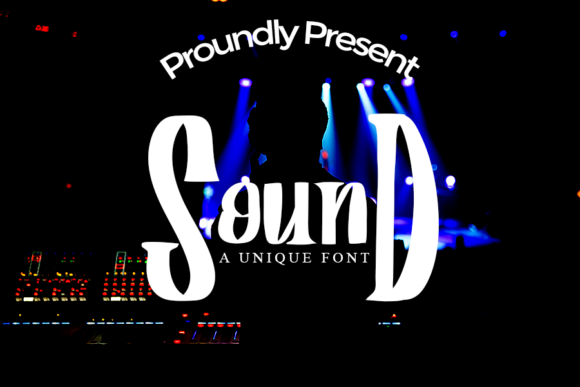
Sound Font: A Playful yet Professional Touch for Branding
I was in the middle of updating my bakery’s packaging when I stumbled upon Sound. It wasn’t just another font—it felt like a breath of fresh air. As someone who runs a small business, I know how crucial every detail is, especially when it comes to branding. From product labels to Instagram posts, typography plays a huge role in shaping your brand’s personality and making it stand out.
Sound is a display font that balances whimsy with sharpness. It has a playful edge but doesn’t sacrifice professionalism. The curves are soft enough to feel inviting, while the clean lines give it a modern touch. It’s the kind of font that makes you pause and think, “This could work.”
A Font That Feels Like Your Brand’s Voice
When I first used Sound on my bakery’s new box design, it immediately gave the packaging a more polished look. The font’s rhythm and spacing made everything feel intentional. It didn’t scream for attention, but it had a presence that drew the eye. For a brand like mine, where the vibe is warm and approachable, Sound fit perfectly.
I also tried it on thank-you cards and noticed how it added a sense of consistency across different materials. Whether it was printed or digital, the font maintained its character. That’s something I value—having a visual thread that ties everything together.
Where Can Sound Shine in Real Business Materials?
Sound isn’t just for logos. Its versatility makes it ideal for a range of customer-facing materials. Here are a few practical ways I’ve used it:
- Product Labels: Used on candle jars and skincare bottles, it adds a stylish flair without overwhelming the content.
- Menus: Perfect for café menus, where readability and charm go hand in hand.
- Social Media Graphics: Works well for Instagram posts and stories, especially when paired with a clean sans serif font for body text.
- Banners and Website Headers: Adds a touch of elegance to online shop banners and landing pages.
- Thank-You Cards and Stickers: Makes handwritten-style elements feel more intentional and cohesive.
It’s best suited for headlines, short phrases, and decorative accents. If you need something that supports rather than dominates, Sound can be a great choice when paired with simpler fonts.
Readability Tips for Small Business Use
While Sound is a display font, it still needs to be readable in different contexts. I found that it works best at larger sizes—especially on printed packaging or digital banners. When using it on small labels or thumbnails, I recommend keeping the text concise and avoiding overly complex characters.
For mobile screens and social media thumbnails, I tested it at various sizes and found that it remained legible as long as there was enough contrast with the background. It’s always a good idea to preview how the font looks on different devices before finalizing any designs.
Font Pairing Ideas for a Balanced Look
One of the things I love about Sound is how it pairs well with other fonts. Here are a few combinations I’ve used successfully:
- Modern Sans Serif: Pairing Sound with a clean sans serif like Helvetica or Montserrat gives a balanced, professional look.
- Elegant Serif: Combining it with a serif font such as Georgia or Baskerville adds sophistication, especially for formal branding.
- Script Font: Mixing it with a delicate script like Great Vibes can create a charming, handcrafted feel.
The key is to ensure the fonts complement each other in terms of weight, spacing, and style. Don’t be afraid to experiment, but always keep your brand’s voice in mind.
What to Check Before Using Sound in Your Branding
Before committing to Sound, make sure to review what’s included in the font package. Look for alternate characters, ligatures, and different weights if available. It’s also important to confirm whether it supports multiple languages and if it has commercial licensing rights. This ensures you can use it freely on all your branding materials, from product packaging to website graphics.
For small businesses, investing in the right font can have a big impact. Sound has helped me elevate my brand’s look and feel, and I believe it can do the same for others looking to create a more polished and memorable identity.